Knowledge base
Is travertine suitable for outdoors on Curaçao? Sun, heat and rain
Updated · 4 min read
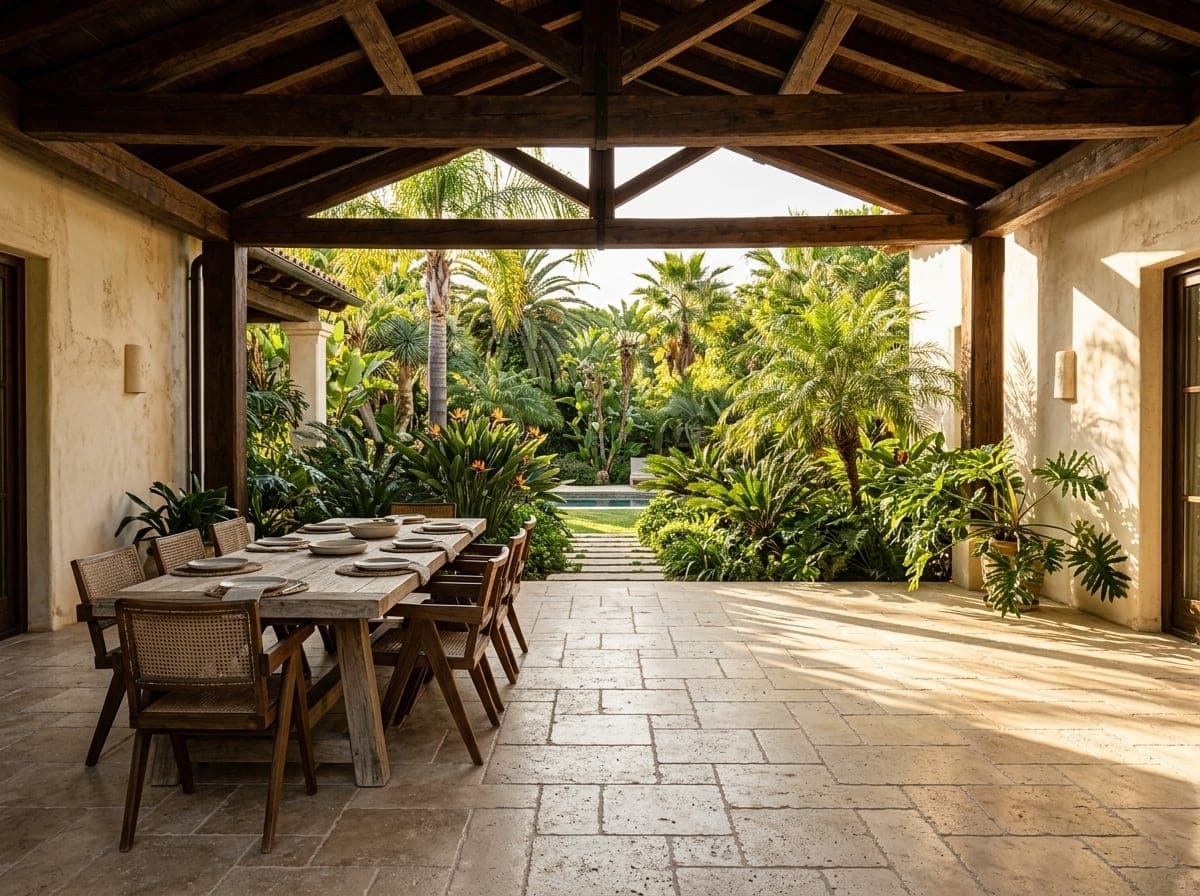
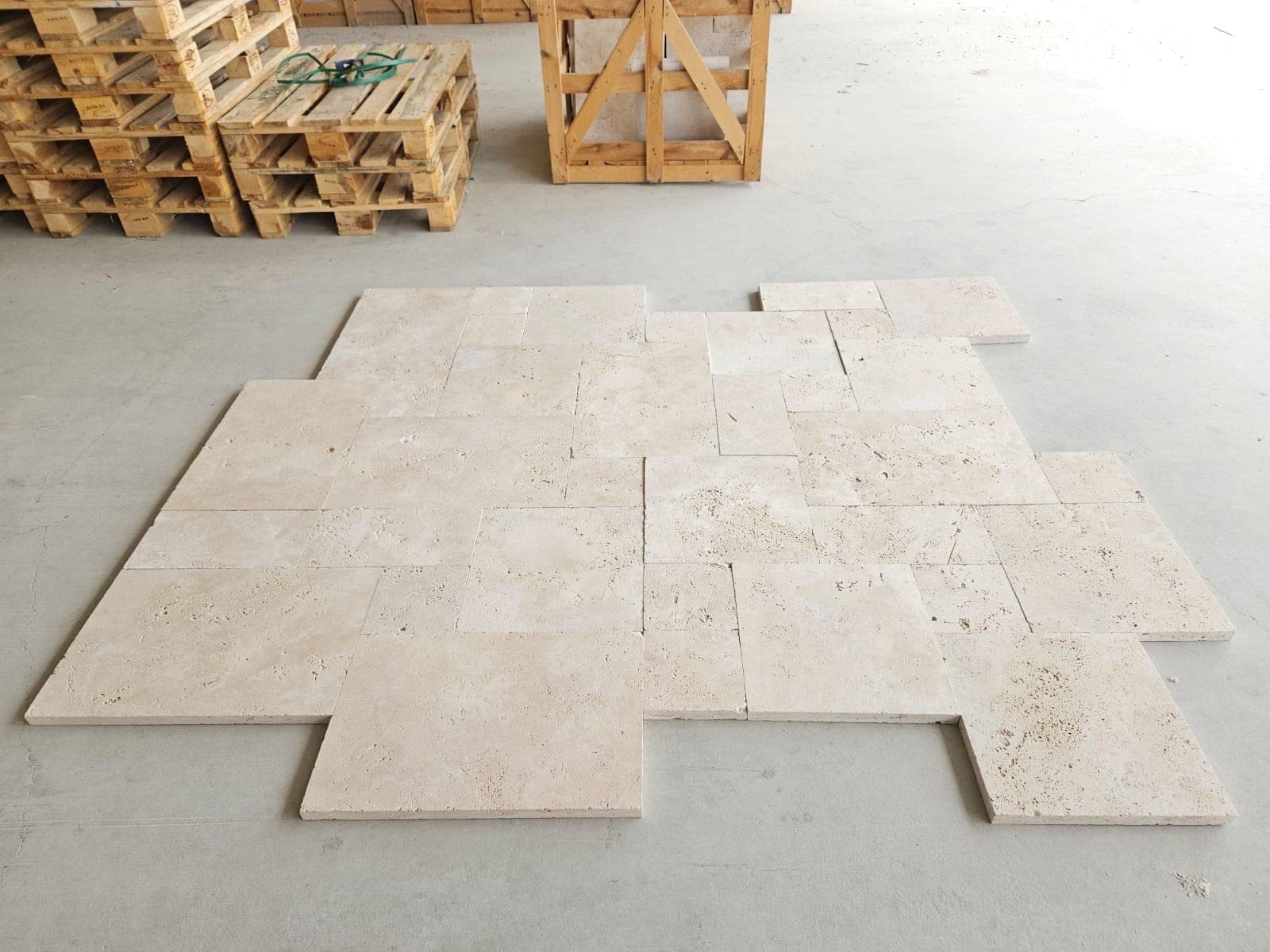
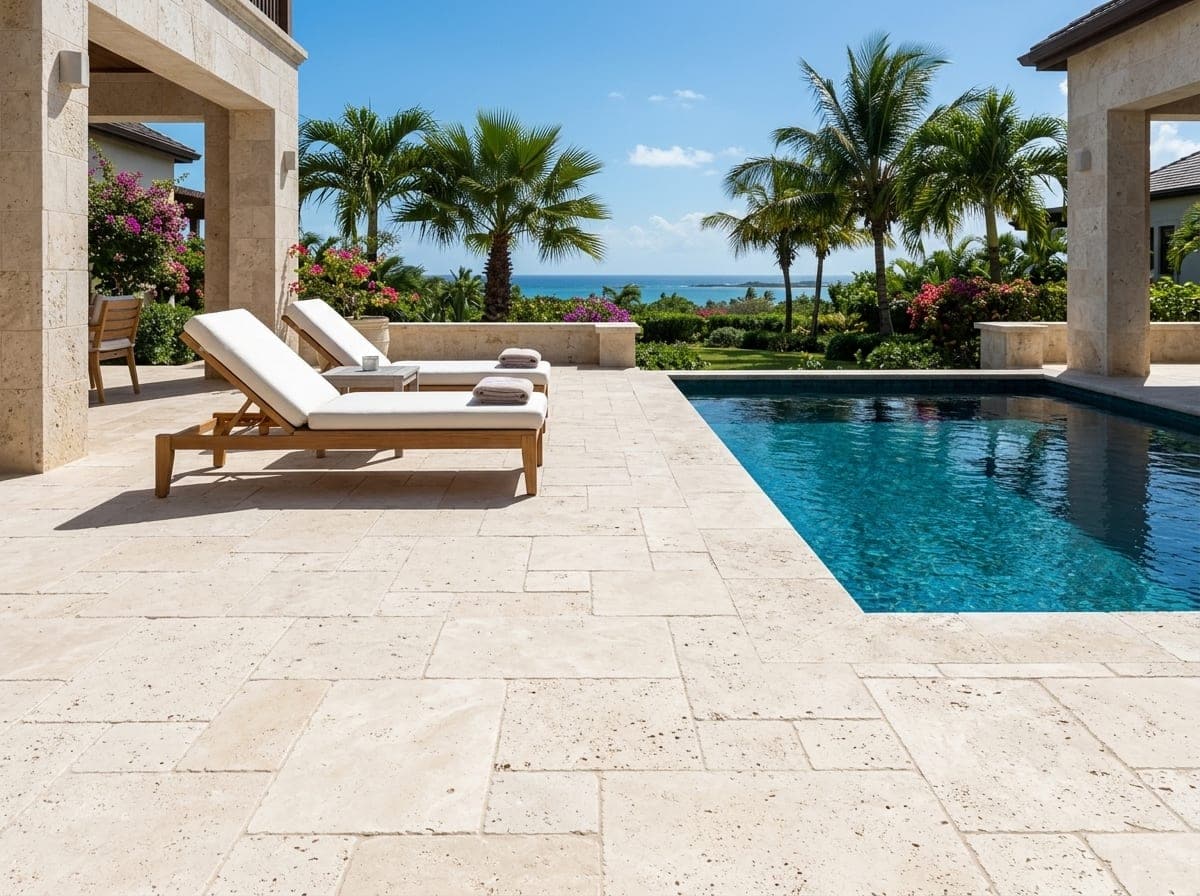
Yes, travertine is one of the best natural stones for outdoor use in a tropical climate. The open structure keeps the stone cool in the sun, tumbled or honed travertine is slip-resistant in the rain, and once sealed the stone is unaffected by sea air and salt. Outdoors, choose a light colour, a tumbled finish and 2 or 3 cm thickness.
Does travertine get hot in the sun?
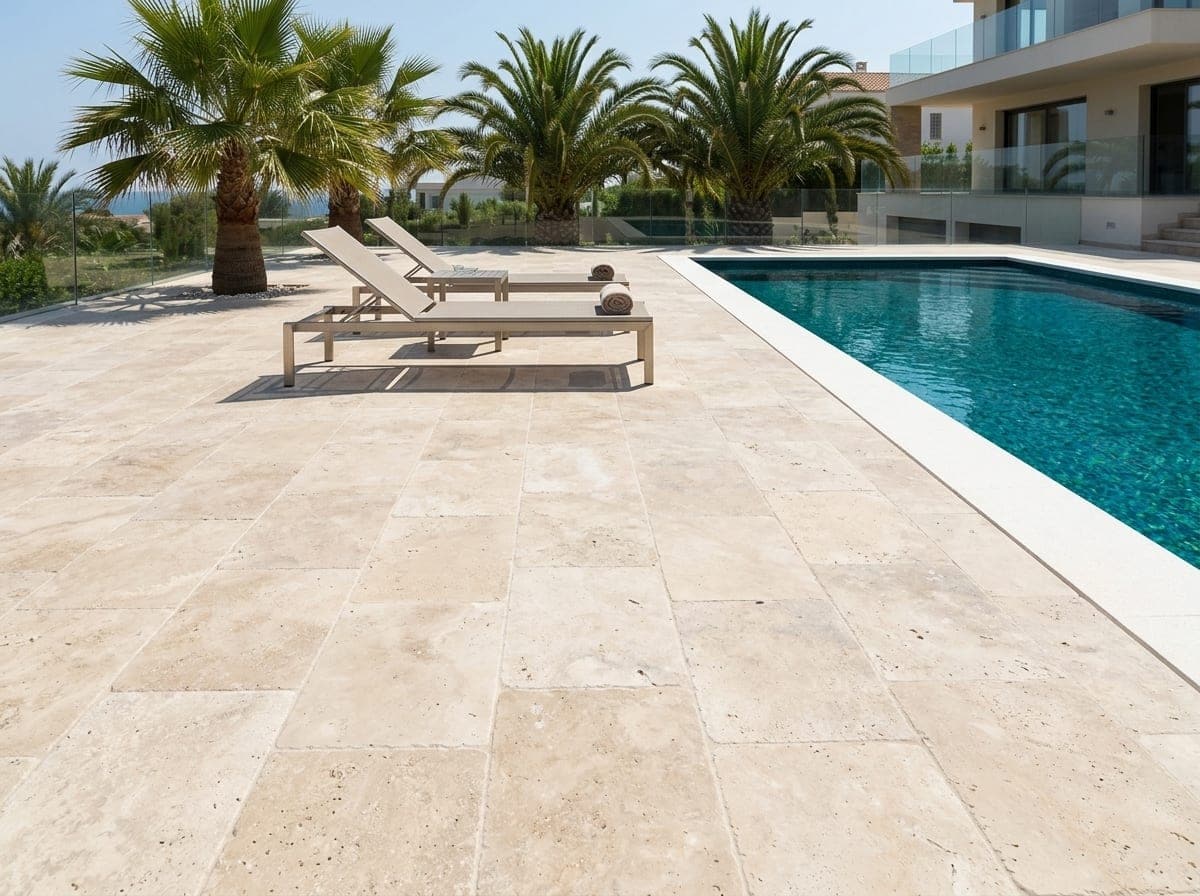
Less than most alternatives. Travertine has low thermal conductivity and many small pores, so the surface holds less heat than concrete, ceramic or dark basalt. On a 32 °C afternoon a light travertine paver is comfortable on bare feet, while dark tiles are not. The lighter the colour, the cooler: Ivory, Light and Classic Mix are the coolest choices.
Is travertine slippery in the rain?
Tumbled travertine has a fine, rough texture and is slip-resistant, even wet. Honed (matte) travertine suits covered terraces. Polished travertine is not recommended outdoors: it becomes slippery in the rain and loses its gloss to UV light.
Can travertine handle sea air and salt?
Yes. Salt does not attack travertine; it can only remain as a white haze on the surface. Rinsing with fresh water and yearly sealing keep the stone clean. Close to the sea we recommend unfilled, tumbled travertine: no filler that can come loose and a surface that drains water.
What does the rainy season do to travertine?
During the wet months (October–January) algae can grow in shaded spots, as on any outdoor floor. Good drainage (1–2% fall), open joints or permeable jointing mortar and a yearly clean with a natural stone cleaner prevent that. Travertine itself takes no damage from rain or moisture; frost does not exist on Curaçao, so frost resistance plays no role.
Which thickness and finish do I choose outdoors?
| Application | Thickness | Finish | Installation |
|---|---|---|---|
| Covered terrace, veranda | 1.2 cm | Honed or tumbled | Glue onto concrete floor |
| Open terrace, pool deck | 3 cm (pavers) | Tumbled, unfilled | Sand-cement or crushed stone |
| Garden path, light-traffic driveway | 3 cm or 2 cm bricks | Tumbled | Sand-cement |
| Pool coping | 3 cm bullnose | Tumbled | Glue, waterproof joint |
| Facade, garden wall | 1.5–4 cm (splitface/rockface) | Cleft face | Glue with exterior adhesive |
Which colour suits a villa on Curaçao?
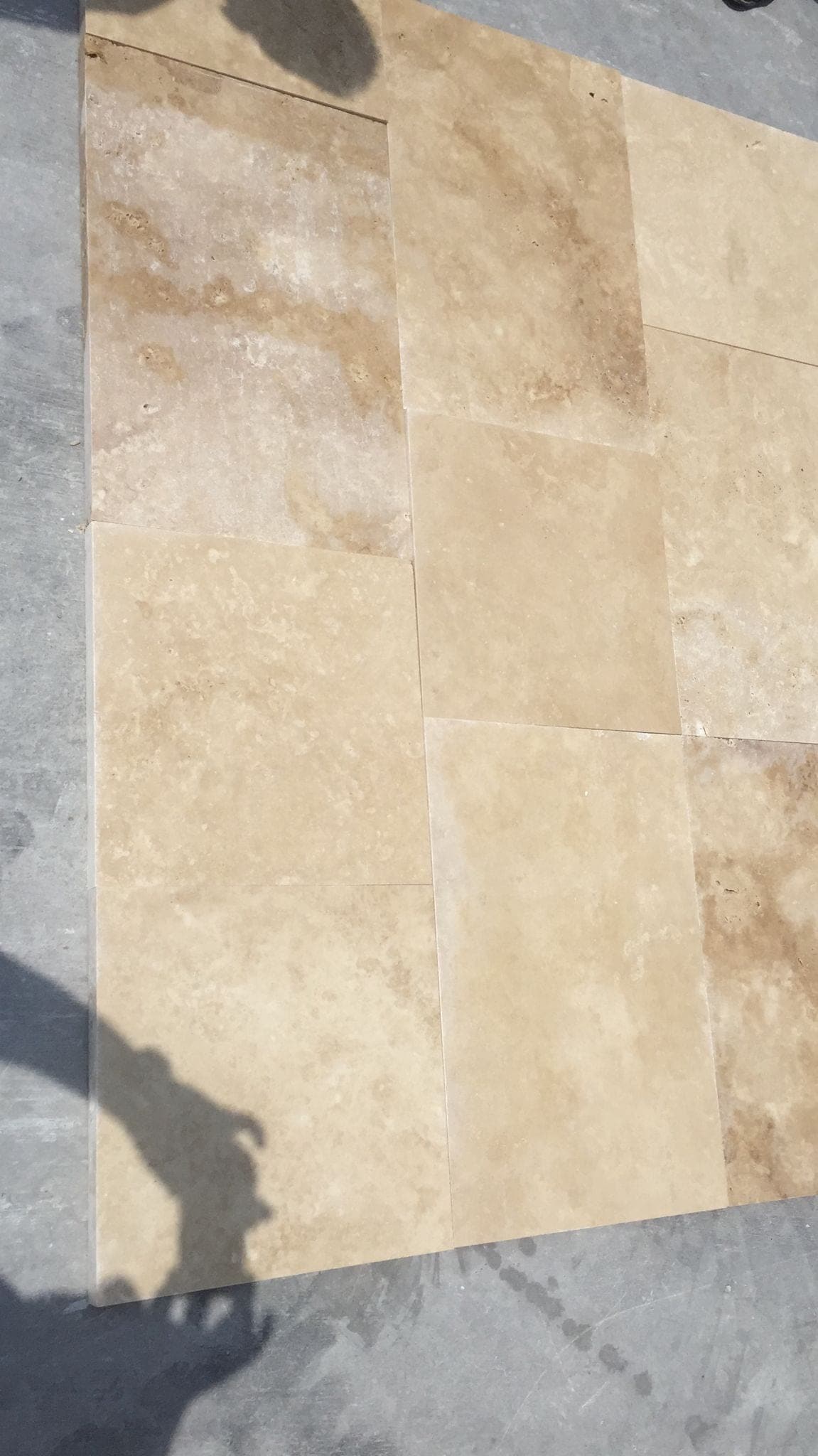
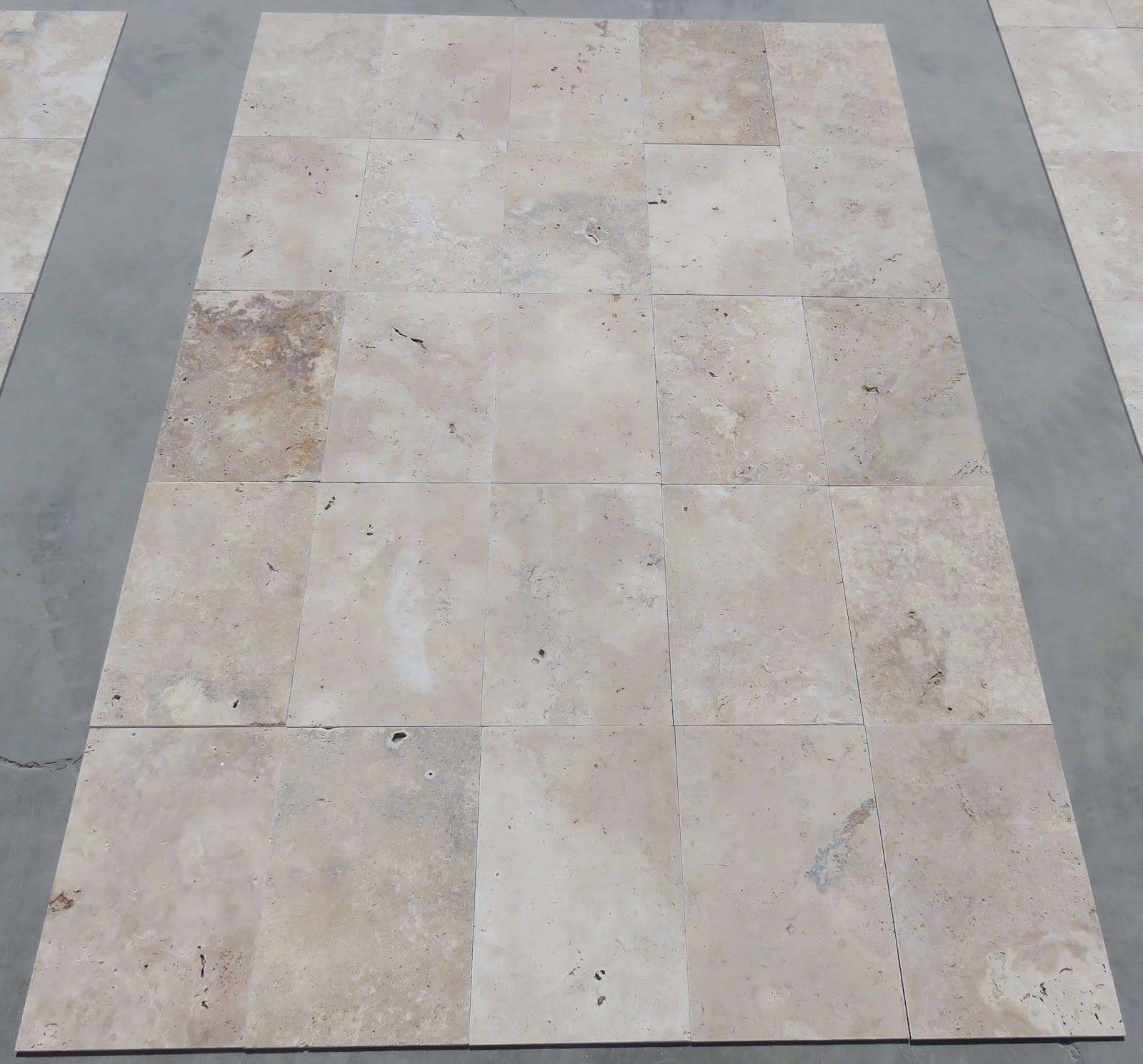
Light travertine (Ivory, Light, Crema) suits white and pastel facades and stays coolest. Classic Mix and Classic Blend give a warm, Mediterranean look with terracotta and wood. Silver and Silver Light are the modern choice with grey render, black steel and glass. In doubt? Send a photo of your house via WhatsApp; we advise a colour and send samples.