Knowledge base
Filled or unfilled travertine: which do you choose?
Updated · 4 min read
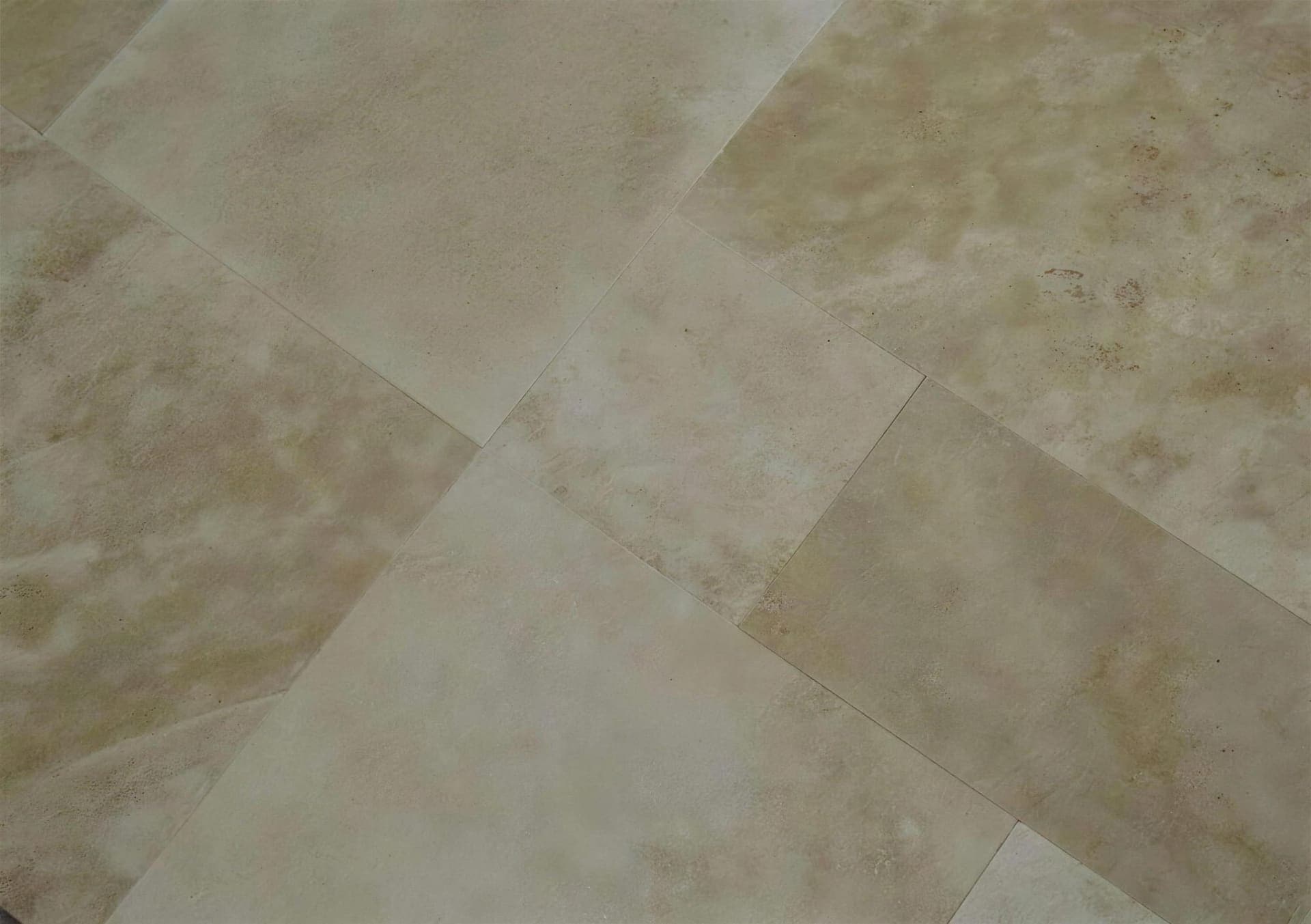
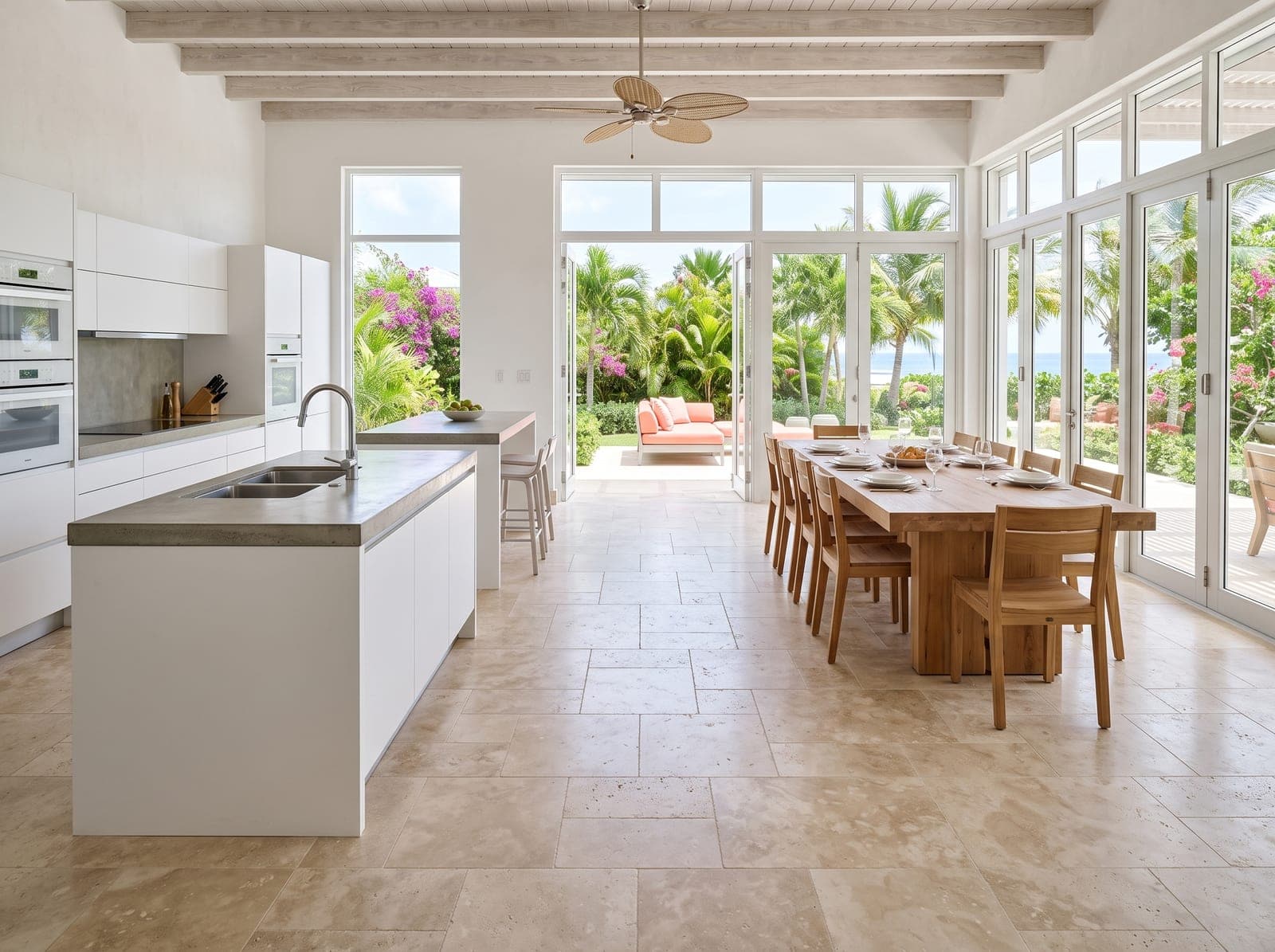
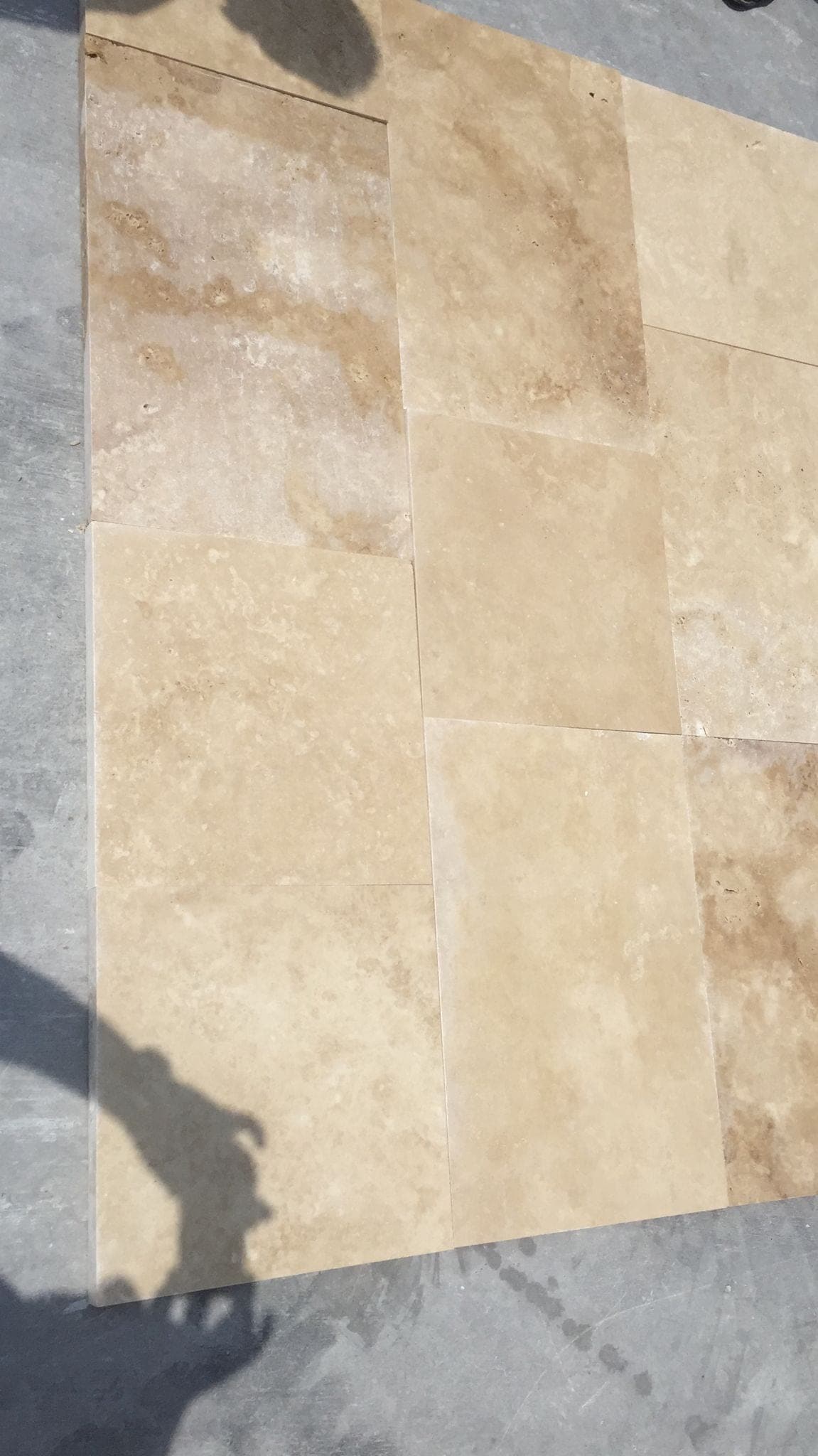
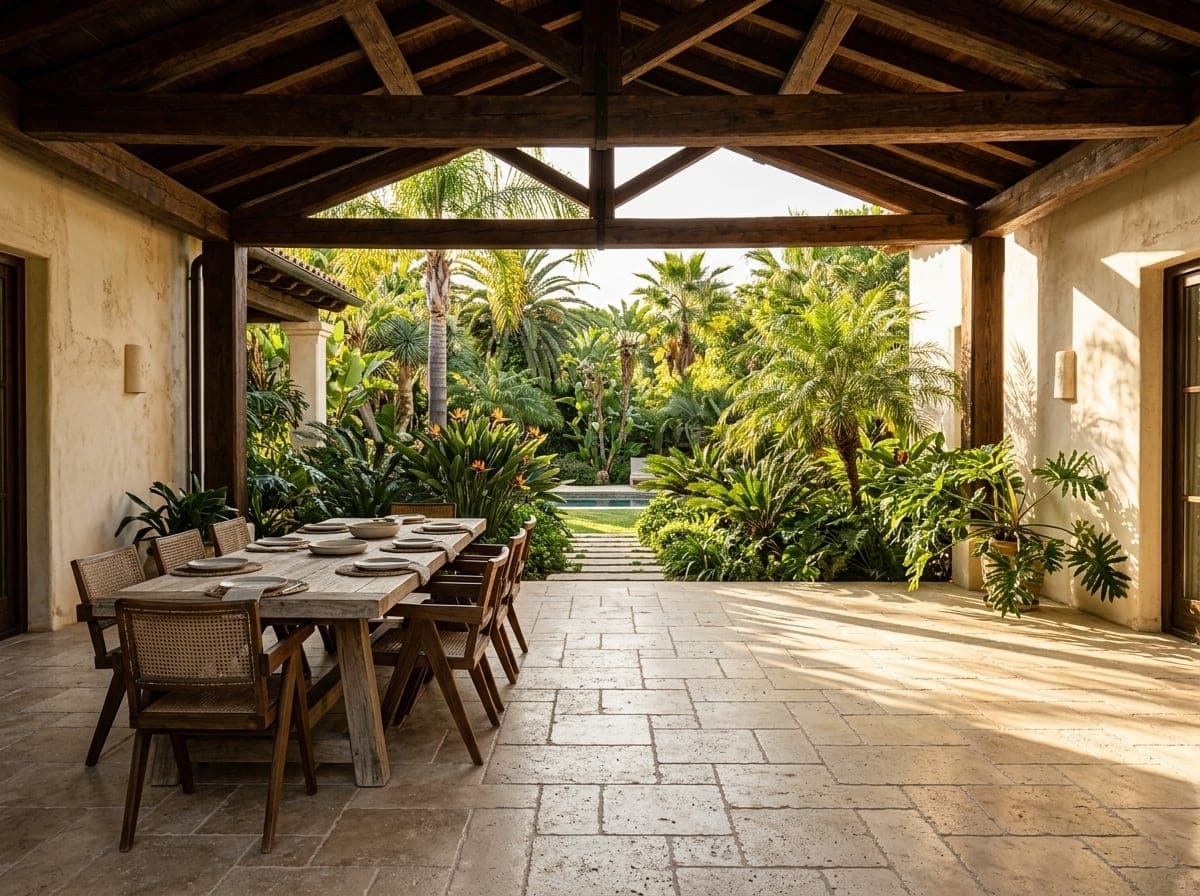
Filled travertine has pores that are closed at the factory with resin or cement in the colour of the stone: smooth, easy to keep clean and ideal indoors. Unfilled travertine leaves the natural cavities open: rougher, more natural and the standard for terraces, walls and tumbled pavers.
Why does travertine have holes?
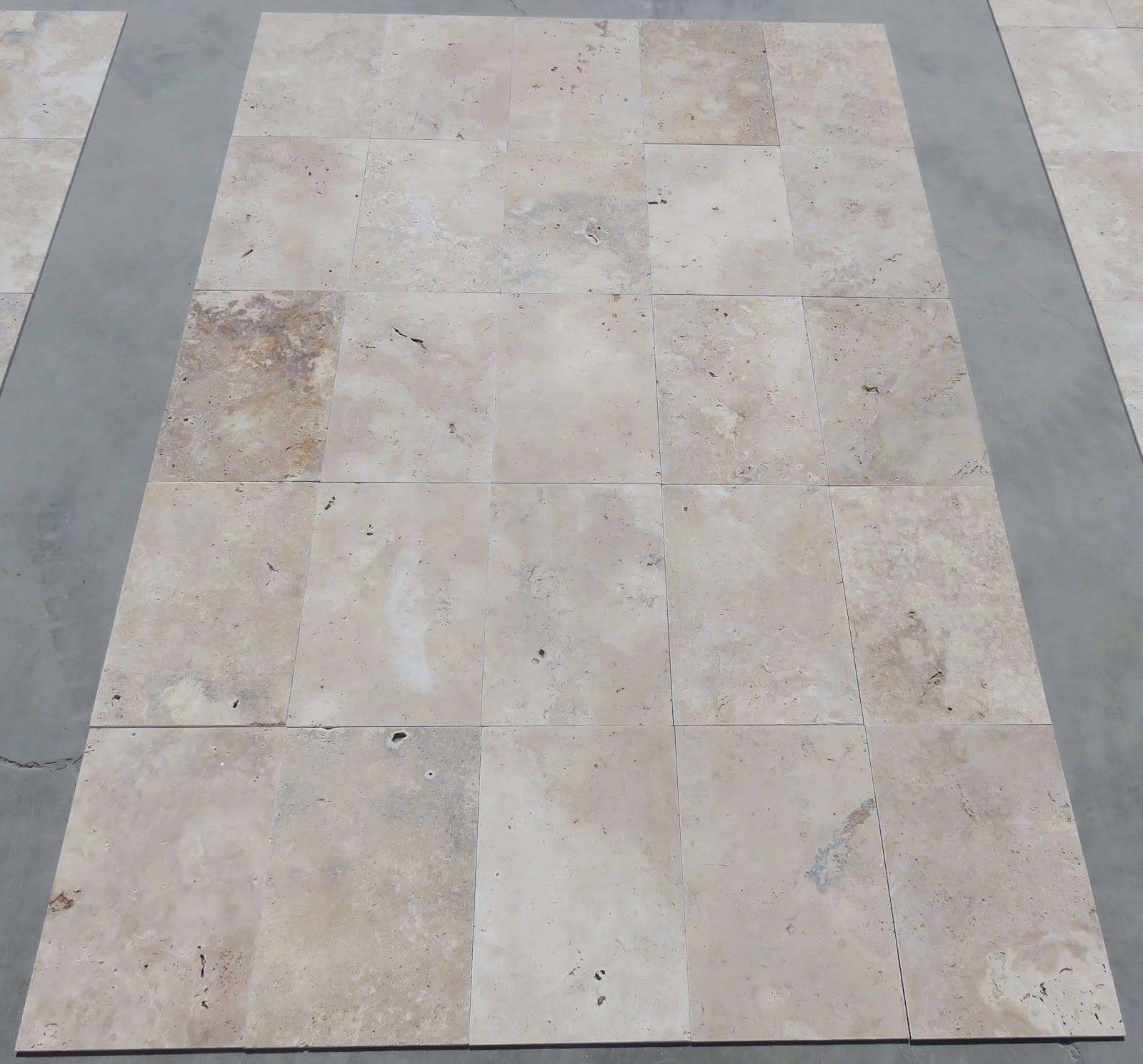
The pores form when the stone is created: gas bubbles and plant remains in the lime-rich water leave cavities behind. They are part of travertine and vary per series. Light, dense series (Light, Ivory) have fine pores; rustic series (Classic Mix, Rustic) larger ones.
What is filled travertine?
In filled travertine the pores are filled after sawing with resin (transparent or coloured) or with cement, and then honed or polished. The surface is smooth and closed. Dirt, water and grease stay on the surface, which makes cleaning easy. Filled is the standard for indoor floors, kitchens and polished slabs.
- Advantages: smooth, hygienic, less sealing, polished finish possible.
- Disadvantages: a slightly less natural look; filler can locally come loose after years and is then topped up.
What is unfilled travertine?
Unfilled travertine keeps its open structure. You see and feel the cavities; that gives the stone its character and extra grip. Outdoors, on walls and with tumbled finishes, unfilled is common. Unfilled travertine can always be filled afterwards with a jointing mortar in the colour of the stone: you effectively grout the tile across its whole surface.
- Advantages: the most natural look, slip-resistant, can still be filled later.
- Disadvantages: dirt can collect in the pores; more maintenance on indoor floors.
What do I choose where?
| Application | Advice | Explanation |
|---|---|---|
| Living room, hallway, bedroom | Filled, honed | Smooth surface, easy to mop |
| Bathroom floor | Filled, honed | Slip-resistant and hygienic |
| Bathroom wall, shower | Filled or unfilled | Unfilled gives more texture; do seal it |
| Kitchen top, vanity (slab) | Filled, polished | Closed surface against grease and acids |
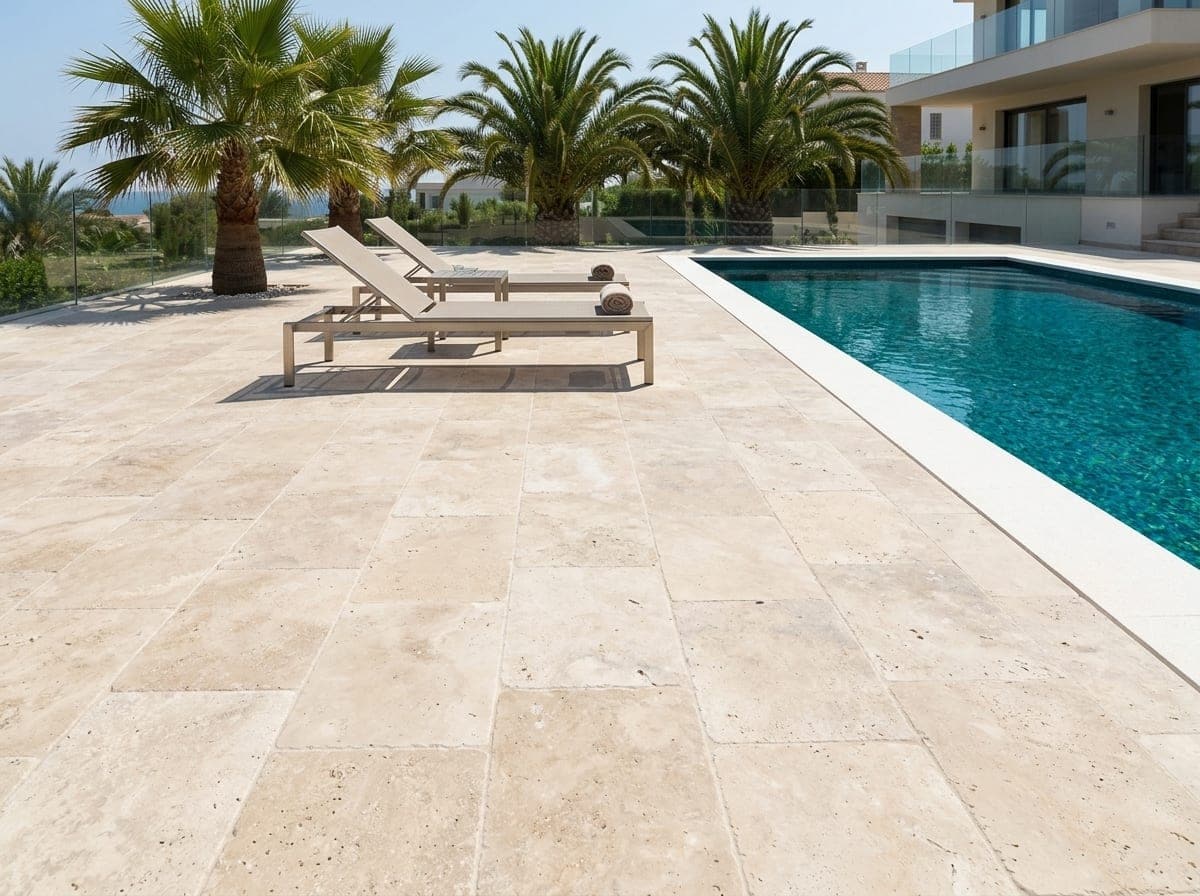
| Terrace, garden path | Unfilled, tumbled | Grip, natural look, water drains away |
| Pool coping | Unfilled, tumbled | Slip-resistant and cool |
| Facade, garden wall | Unfilled (cleft face) | Splitface and rockface are unfilled by definition |
Can I fill unfilled travertine myself?
Yes. After laying, you spread a flexible jointing mortar in the colour of the stone across the whole surface, wash the tile clean and seal once cured. The result is a smoother surface that is easier to keep clean, while keeping the natural figuring. We gladly advise on the right mortar and colour.